Promotional Products That Actually Get Used (and Ones That Don't)
Not all promotional products are created equal. Discover which branded merchandise people actually keep and use daily, and which items end up in the bin — backed by industry research.

Every year, UK businesses spend hundreds of millions of pounds on promotional products. But here's the uncomfortable truth that most promotional merchandise suppliers don't want to talk about: a significant percentage of those branded items end up in landfill within weeks of being given away.
That's not just a waste of money — it's a waste of resources, a missed marketing opportunity, and potentially damaging to your brand. After all, what message does it send when someone bins your branded product within days of receiving it?
The good news? There's plenty of research telling us exactly which promotional products people actually keep, use, and value — and which ones they don't. In this guide, we'll share the data, break down the winners and losers, and help you choose products that deliver genuine return on investment.
What the Research Tells Us
The promotional products industry has been tracking consumer behaviour for decades. The two most comprehensive sources of data are the British Promotional Merchandise Association (BPMA) in the UK and the Advertising Specialty Institute (ASI) in the US. Their findings are remarkably consistent.
Key Statistics
- 87% of people keep a promotional product for longer than a year (BPMA)
- 89% of consumers can recall the brand on a promotional product they received in the last two years (ASI)
- 85% of people do business with the advertiser after receiving a promotional product (BPMA)
- Bags generate the most brand impressions over their lifetime — approximately 5,700 impressions each (ASI)
- The average promotional product is kept for 8 months (ASI)
- 53% of consumers use a promotional product at least once a week (ASI)
These numbers are impressive, but they're averages. The reality is that some products dramatically outperform these benchmarks, while others fall far short.
The Winners: Products That Get Kept and Used
1. Reusable Water Bottles — The Undisputed Champion
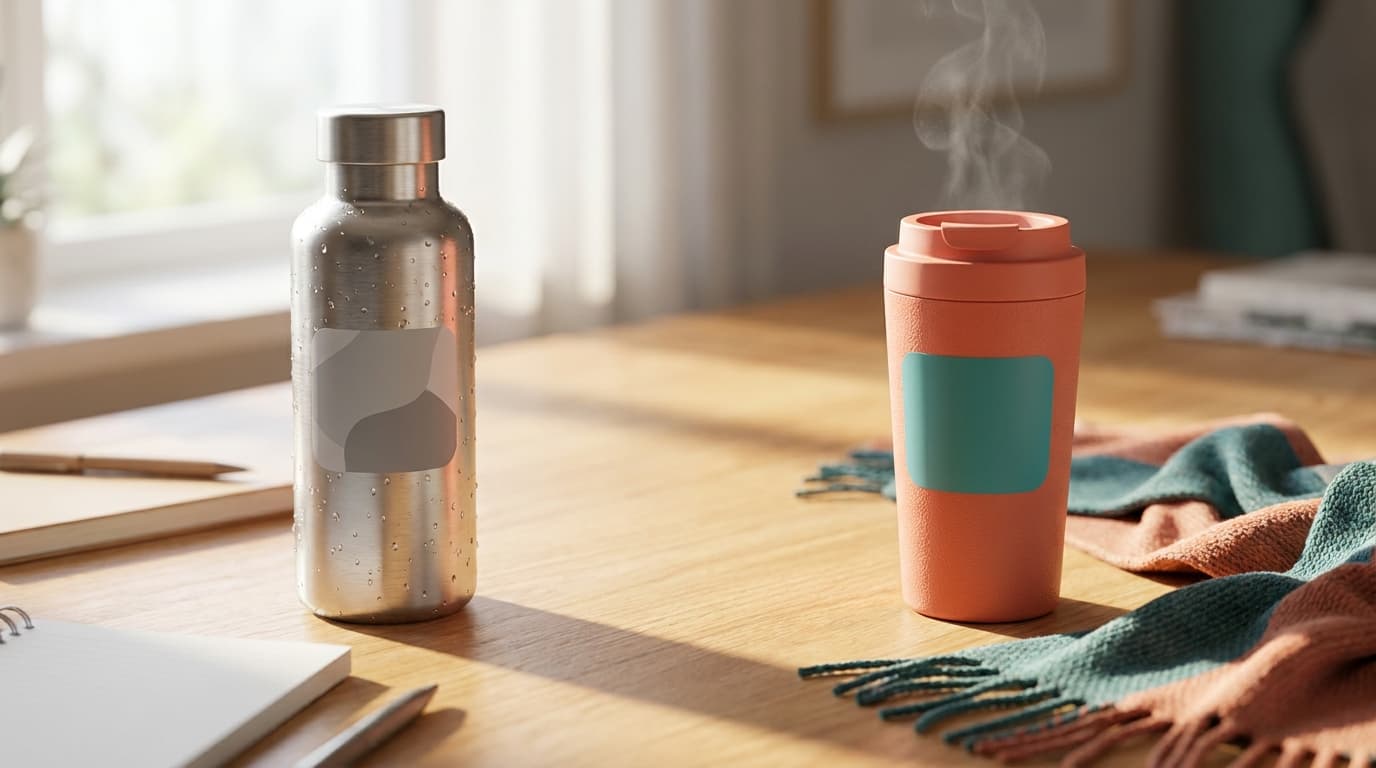
Water bottles consistently rank as the most retained and most frequently used promotional product. In a 2025 BPMA survey, reusable water bottles had a retention rate above 90%, with the majority of recipients reporting daily use.
Why they work:
- They solve a genuine, daily need — everyone needs to drink water
- Environmental consciousness means people actively seek reusable alternatives to plastic
- They travel everywhere — gym, office, commute, outdoors
- Quality bottles (especially insulated metal bottles) become prized possessions
- Large branding areas ensure excellent visibility
Cost per impression: At approximately £5–£8 per unit for a quality metal water bottle, and an estimated 2+ years of daily use, the cost per brand impression is fractions of a penny. That's cheaper than virtually any form of digital advertising.
Our recommendation: Invest in quality. A well-made insulated tumbler or sports bottle that keeps drinks at the right temperature will be used for years. A flimsy, leaky bottle will be binned within a week — and that reflects badly on your brand.
2. Bags — The Mobile Billboard
Bags of all types — tote bags, backpacks, drawstring bags, and cotton bags — are promotional product superstars. According to ASI research, a single branded bag generates approximately 5,700 brand impressions over its lifetime, more than any other promotional product category.
Why they work:
- The plastic bag charge has made reusable bags essential
- They're used in public spaces — shopping, commuting, travelling — maximising visibility
- Large, flat surfaces allow for impactful, eye-catching branding
- They're practical for carrying other items from events and trade shows
- Quality bags can last for years
Our recommendation: Cotton bags and canvas bags offer the best balance of quality, eco-credentials, and branding impact. For events, drawstring bags are lightweight and incredibly popular.
3. Writing Instruments — The Desk Companion
Pens remain the single most distributed promotional product in the world, and for good reason — they work. Despite the digital age, people still reach for a pen multiple times a day.
Why they work:
- Universal utility — virtually everyone uses pens
- High frequency of use — multiple times daily
- They migrate — left in meeting rooms, borrowed by colleagues, used at reception desks
- Low cost means you can distribute at scale
- Wide range from budget plastic pens to premium pen sets
Important caveat: Quality matters enormously with pens. A pen that writes well and feels comfortable in the hand gets kept and used. A pen that scratches, skips, or feels flimsy gets binned immediately. The difference in cost between a terrible pen and a good pen is often just £0.10–£0.20 per unit — but the difference in retention rate is dramatic.
Our recommendation: Spend an extra few pence per unit on quality. A BIC pen or metal pen will outperform the cheapest possible plastic pen every time.
4. Umbrellas — The British Essential
In a country where it rains an average of 156 days per year, branded umbrellas are one of the most practical promotional products you can give. They have some of the highest retention rates of any product category, with most recipients keeping a quality umbrella for 3–5 years.
Why they work:
- Genuinely useful in the UK climate (stating the obvious, but it matters)
- Large branding panels create significant visibility when in use
- Used in public spaces — streets, events, sports venues
- Higher perceived value means recipients genuinely appreciate them
- Long lifespan delivers years of brand impressions
Our recommendation: Walking umbrellas with full-panel branding deliver the most visual impact, while telescopic umbrellas offer everyday practicality. Both are excellent choices.
5. Notebooks — The Thoughtful Choice
Quality branded notebooks hit the sweet spot between practicality and perceived premium value. In an age of screen fatigue, many people actively prefer writing notes by hand, making notebooks more relevant than ever.
Why they work:
- Daily use in meetings, lectures, and personal planning
- Sit on desks where branding is visible throughout the day
- Higher perceived value creates positive brand associations
- Long usage period — a quality notebook takes months to fill
- Options range from budget A5 notebooks to premium Moleskine and hardcover notebooks
Our recommendation: Hardcover notebooks with a soft-touch finish feel premium and are kept for months. Pair with a quality pen for an impressive gift set.
6. Clothing — The Walking Advert
Branded clothing — particularly t-shirts, hoodies, and polo shirts — delivers exceptional visibility because recipients literally wear your brand. According to ASI, a branded t-shirt generates approximately 3,400 impressions over its lifetime.
Why it works:
- Worn in public, creating broad visibility
- People genuinely wear quality branded clothing — especially hoodies
- Creates team identity for employees and event participants
- Long lifespan for quality garments
- Visible branding at events creates a sense of belonging
Our recommendation: Invest in quality fabrics and sizing that people actually want to wear. A comfortable branded hoodie becomes a favourite — a scratchy, ill-fitting t-shirt becomes a dust cloth.
The Middle Ground: Products That Work When Done Right
Some products can go either way — they're keepers when done well, and binned when done badly.
Travel Mugs & Coffee Cups
Travel mugs and reusable coffee cups are increasingly popular, but quality is critical. A well-insulated, leak-proof cup that fits in a car's cup holder gets used daily. A flimsy, leaky cup that drips coffee over your paperwork gets binned the same day.
Keyrings
Keyrings have mixed retention rates. Functional keyrings with bottle openers, torches, or tools tend to be kept. Metal keyrings with a quality feel are retained. But cheap, bulky novelty keyrings that weigh down a key bunch or look tacky often get removed quickly.
Phone Accessories
Phone accessories like pop sockets, phone stands, and card holders can be extremely popular with younger demographics, but they need to be well-made and aesthetically appealing. A poorly designed phone accessory feels cheap and gets removed immediately.
The Losers: Products That Get Binned
Here's where we get honest. Some promotional products have shockingly low retention rates, and continuing to buy them is throwing money away.
Stress Balls & Stress Toys
Stress toys are the classic example of a promotional product that gets picked up at an event, squeezed a few times, and then forgotten in a desk drawer or thrown in the bin. Multiple surveys show they have some of the lowest retention rates of any promotional product.
Why they fail:
- No practical use beyond a brief moment of amusement
- They often look cheap and feel like throwaway items
- They're not something people want to display or be seen with
- They collect dust and take up space without providing value
The exception: Custom-shaped stress toys that are genuinely funny, creative, or relevant to a specific industry can work as conversation pieces. But standard stress balls? Save your money.
Cheap Novelty Items
Novelty items and logo bugs — the plastic whirligigs, springy characters, and random desk trinkets — overwhelmingly end up in the bin. They lack practical value, they look like what they are (cheap marketing giveaways), and they often break within hours.
Low-Quality Pens
As mentioned above, the worst thing you can do with promotional pens is choose the absolute cheapest option. A pen that doesn't write properly, leaks, or has a cap that won't stay on is worse than no pen at all — it actively damages your brand perception.
Paper Products Without Value
Generic branded bookmarks, postcards, and cardboard standees get binned almost immediately unless they contain genuinely useful information. A branded bookmark is forgettable; a branded bookmark with a useful reference table (tax deadlines, unit conversions, key contacts) has a reason to be kept.
How to Choose Products People Will Actually Keep
Based on the research and our years of experience, here are the principles for choosing promotional products with high retention rates:
1. Prioritise Utility Over Novelty
Ask yourself: "Would I use this every day?" If the answer is no, think twice. The products with the highest retention rates are the ones people genuinely need — bottles, bags, pens, umbrellas.
2. Invest in Quality
Spending an extra 20–30% on quality transforms a throwaway item into a kept item. A £3 water bottle that leaks gets binned; a £6 water bottle that works perfectly gets used for years. The maths favours quality every time.
3. Match the Product to the Audience
A power bank for tech workers. A notebook for creatives. A water bottle for fitness enthusiasts. An umbrella for, well, anyone in the UK. When the product matches the recipient's lifestyle, retention skyrockets.
4. Less Is More
It's better to give one quality item than three cheap ones. A single well-made branded water bottle will deliver more brand impressions over its lifetime than a pen, a stress ball, and a keyring combined.
5. Consider the Environment
Eco-friendly products signal that your brand cares about sustainability — a value shared by a growing majority of UK consumers. Products made from recycled materials, bamboo, or RPET are kept longer because people feel good about using them.
The ROI Equation: Cost Per Impression
To truly evaluate promotional product effectiveness, think about cost per impression:
- Branded bag: £2.50 cost ÷ 5,700 impressions = £0.0004 per impression
- Branded pen: £0.40 cost ÷ 3,000 impressions = £0.0001 per impression
- Branded water bottle: £6.00 cost ÷ 3,500 impressions = £0.002 per impression
- Branded stress ball: £1.50 cost ÷ 200 impressions = £0.0075 per impression
Even the "expensive" water bottle delivers impressions at a fraction of the cost of digital advertising. The stress ball, despite being cheaper to buy, delivers far fewer impressions and a much worse cost-per-impression ratio.
Why Choose PMP for High-Impact Promotional Products?
At Positive Media Promotions, we steer our clients towards products that deliver genuine results. We'll never recommend a product just because it's cheap — we'll recommend it because it works.
Our team provides:
- Honest advice on which products deliver the best retention rates
- Quality guarantees — we only stock products we'd be proud to use ourselves
- Free visual mock-ups so you can see exactly how your branding will look
- Competitive pricing without compromising on quality
We'd rather you spend £500 on 100 quality water bottles that get used daily than £500 on 1,000 stress balls that get binned.
Choose Wisely. Choose Quality. Choose PMP.
Browse our ranges of water bottles, bags, pens, umbrellas, and notebooks — or request a free quote and let us recommend the perfect products for your audience and goals.
Call us on 0161 850 0435 or email sales@positivemediapromotions.co.uk to start getting better ROI from your promotional products.
Frequently Asked Questions
Q: What is the most kept promotional product?
According to industry research, reusable water bottles and bags have the highest retention rates, with over 90% of recipients keeping them for at least a year. Writing instruments (pens) are also widely retained due to their everyday practicality.
Q: How long do people keep promotional products?
The average promotional product is kept for approximately 8 months. However, quality items like water bottles, bags, and umbrellas are often kept for 2–5 years or more. Conversely, novelty items and low-quality products may be discarded within days.
Q: Are promotional products better than digital advertising?
For cost per impression, promotional products often outperform digital advertising significantly. A branded bag can generate over 5,000 impressions at a cost of fractions of a penny per impression, compared to typical digital advertising costs of £1–£5 per thousand impressions (CPM). They also create a physical, tactile connection that digital ads cannot replicate.
Q: What promotional products have the worst retention rates?
Stress balls, cheap novelty items, low-quality pens, and generic paper products (bookmarks, postcards) consistently have the lowest retention rates. Products that lack practical utility or feel disposable tend to be binned quickly.
Q: How do I calculate the ROI of promotional products?
Calculate ROI by dividing the total cost (including setup and delivery) by the estimated number of brand impressions generated. You can estimate impressions by multiplying frequency of use (e.g., daily) by the product's lifespan (e.g., 2 years) by the number of people who see it each use (e.g., 3 people). Compare this cost per impression with your other marketing channels.
Q: Should I choose eco-friendly promotional products?
Yes, for two reasons. First, eco-friendly products from recycled or sustainable materials are increasingly expected by consumers. Second, research suggests that eco-friendly promotional products are kept longer because recipients feel a responsibility to use them rather than discard them. It's a win for your brand and the planet.
Q: Is it better to give one expensive item or several cheap items?
Research consistently shows that one quality item outperforms multiple cheap items in terms of retention, brand recall, and positive brand perception. Recipients who receive a single well-made water bottle or notebook are more likely to remember your brand and keep the item than those who receive a bag of assorted cheap trinkets.
Q: What's the most cost-effective promotional product overall?
Branded pens offer the lowest absolute cost per impression due to their very low unit price and high frequency of use. However, branded bags offer the highest total number of impressions over their lifetime. The "best" choice depends on your specific goals — volume of impressions, perceived value, or target audience alignment.
Related Articles

Need promotional products?
Get a free quote from our team. We'll help you find the perfect products for your brand.
Get a Free Quote