How Promotional Products Drive Customer Retention (With Data)
Research shows promotional products boost customer retention by up to 80%. Discover the data behind branded merchandise as a retention tool, and learn strategies UK businesses use to keep customers coming back.
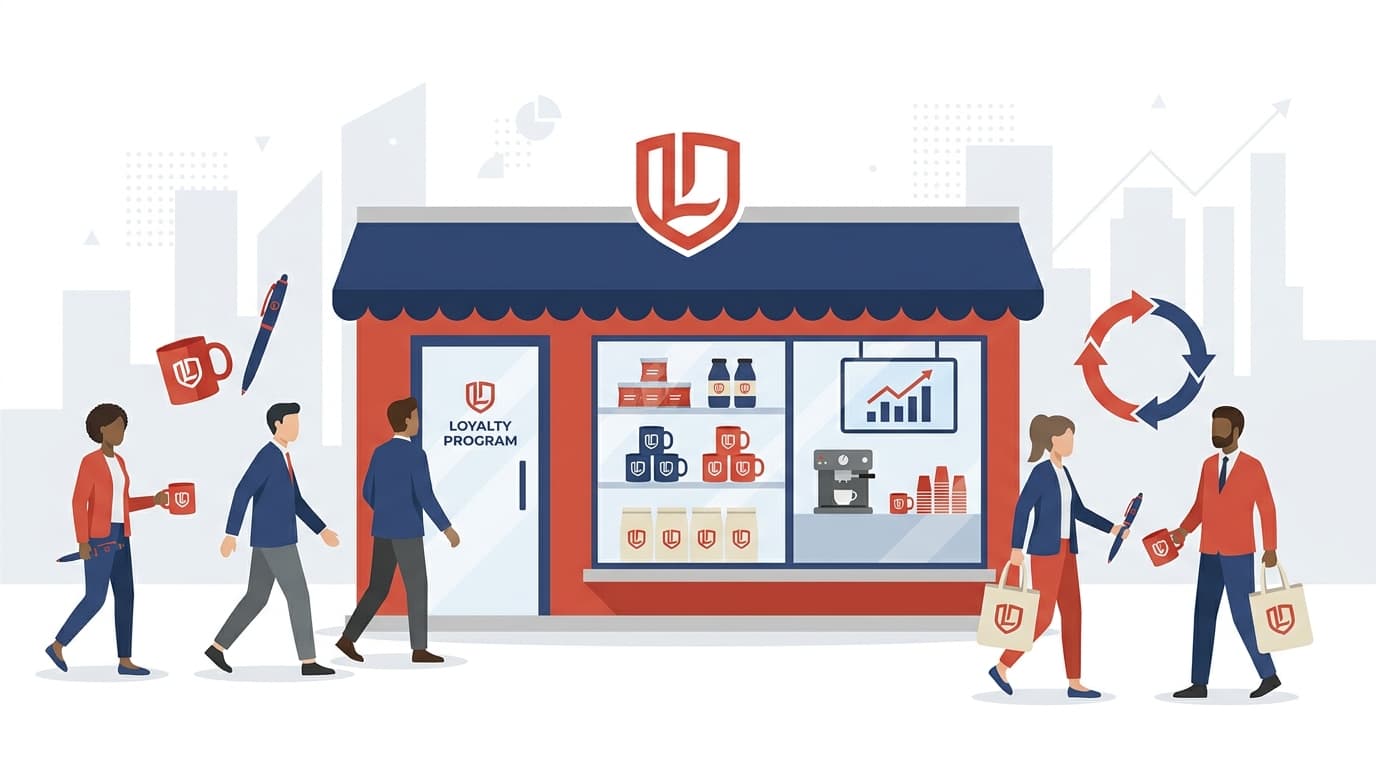
Acquiring a new customer costs five to seven times more than retaining an existing one. Yet most UK businesses still spend the vast majority of their marketing budget on acquisition — chasing new leads rather than nurturing the customers they already have.
Promotional products sit at the intersection of these two forces. They are one of the few marketing channels that simultaneously generate new brand awareness and deepen loyalty among existing customers. This article examines the data behind that claim and provides a practical framework for using branded merchandise as a retention tool.
The Retention Economics That Every Business Should Know
Before we look at how promotional products fit in, let's establish why retention matters so much financially.
The Numbers
- 5-25× more expensive: Harvard Business Review research consistently shows that acquiring a new customer costs between 5 and 25 times more than retaining one you already have
- 5% increase, 25-95% more profit: Bain & Company found that increasing customer retention rates by just 5% increases profits by 25% to 95%
- 60-70% vs 5-20%: The probability of selling to an existing customer is 60-70%, compared with just 5-20% for a new prospect
- 67% more spending: Existing customers spend on average 67% more than new customers, according to BIA Advisory Services
These figures paint a clear picture: keeping your current customers happy is the single highest-ROI activity most businesses can pursue. The question becomes — what's the most effective and cost-efficient way to do it?
What the Data Says About Promotional Products and Retention
The Advertising Specialty Institute (ASI) conducts the most comprehensive research on the effectiveness of promotional products. Their findings are striking.
Key Statistics
- 85% of recipients remember the advertiser who gave them a promotional product — compared with just 32% recall for online ads
- 83% of consumers say they are more likely to do business with a brand after receiving a promotional product
- 80% of recipients keep promotional products for over a year, generating ongoing brand impressions
- 53% of people use a promotional product at least once a week
- Nearly half (48%) would like to receive promotional products more often
The Reciprocity Effect
Psychologist Robert Cialdini's principle of reciprocity explains much of why this works. When someone receives a gift — even a small one — they feel a subconscious obligation to reciprocate. In a business context, that reciprocity manifests as continued loyalty, repeat purchases, and referrals.
Crucially, this effect is strongest with physical items. A digital coupon triggers less reciprocity than a tangible object, because physical gifts feel more personal and deliberate. A branded ceramic mug that sits on someone's desk for three years creates a fundamentally different psychological bond than a 10% off email that gets deleted in seconds.
Impressions Per Pound
The cost-per-impression data seals the case:
- Branded outerwear: £0.0004 per impression (worn ~250 times, seen by ~10 people each time)
- Branded bags: £0.0005 per impression (used ~200 times with wide public visibility)
- Branded drinkware: £0.0007 per impression (used daily, visible to colleagues and family)
- Branded pens: £0.001 per impression (used frequently, passed between people)
- Digital display ads: £0.005-£0.02 per impression (and most are ignored entirely)
Promotional products deliver 10 to 50 times more cost-effective brand impressions than digital advertising. And unlike digital ads, each impression comes with a positive emotional association — the recipient is using something useful that your brand provided.
Five Proven Retention Strategies Using Promotional Products
Data without strategy is just trivia. Here are five practical ways UK businesses are using branded merchandise to retain customers.
1. The Post-Purchase Thank You Gift
Send a branded item with or after the first order. This transforms a transactional moment into an emotional one.
What works:
- A quality branded mug or water bottle for orders over a certain value
- A useful pen set or notebook tucked into delivery packaging
- A branded tote bag that replaces the carrier bag
The data: Companies that include a gift with first orders report 30-40% higher second-order conversion rates compared with those that don't. The physical reminder keeps the brand top-of-mind during the critical 30-day window when repeat purchase decisions are made.
Cost example: A branded ceramic mug costing £2.50 per unit, sent with a £200+ first order, pays for itself many times over if it converts even 10% of recipients into repeat buyers.
2. Loyalty Programme Tier Rewards
Replace generic discount codes with tangible branded rewards at loyalty milestones.
Tier structure example:
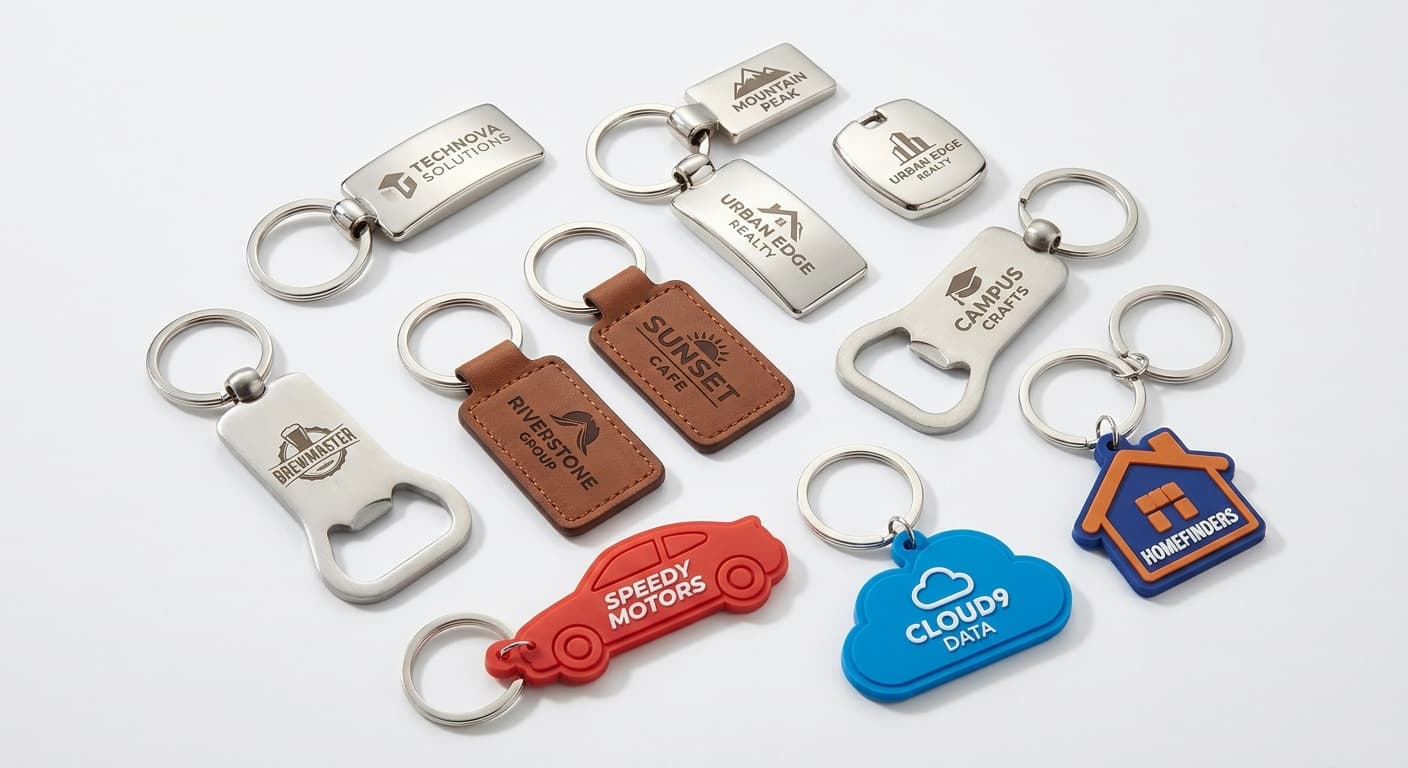
- Bronze (3rd order): Branded pen or keyring (£0.50–£1.00)
- Silver (5th order): Premium travel mug or tech accessory (£3.00–£5.00)
- Gold (10th order): Branded jacket or hoodie (£15.00–£25.00)
- Platinum (annual): Executive gift set in presentation box (£30.00–£50.00)
Why it works: Discount codes are instantly forgotten once used. A branded hoodie worn every weekend creates hundreds of impressions per month and builds genuine brand affinity. Recipients feel like insiders rather than just customers.
3. Seasonal Touchpoints
Use the calendar to create regular, expected moments of connection.
UK calendar opportunities:
- January: New Year planning — branded notebooks or desk calendars
- Easter: Branded sweet treats or spring-themed items
- Summer: Water bottles, sunscreen pouches, or branded sunglasses
- Back to School (September): Branded stationery sets for family-oriented customers
- Christmas: Premium corporate gifts — the most expected and impactful touchpoint of the year
The data: Businesses that send three or more branded touchpoints per year report 65% higher customer lifetime value than those relying solely on email marketing for retention.
4. Problem-Recovery Gifts
When something goes wrong — late delivery, damaged goods, service failure — a promotional product transforms a negative experience into a loyalty-building moment.
The approach:
- Fix the problem first (refund, replacement, or credit)
- Then send a branded gift as an unexpected apology
- Include a handwritten note or personalised message
The data: The "service recovery paradox" is well-documented in customer experience research. Customers who experience a problem that is well resolved often become more loyal than customers who never had a problem at all. A physical gift amplifies this effect because it demonstrates effort and care beyond the digital norm.
Cost-benefit: A £5 branded gift can save a customer worth £500+ annually. That's a 100:1 return.
5. Referral Reward Kits
Turn your most loyal customers into brand ambassadors with physical referral incentives.
How it works:
- When a customer refers someone, send them a branded "thank you" kit — a mug, pen, and notebook set, for example
- Include items they can share — extra branded items to pass on to friends and colleagues
- The physical act of handing someone a branded item creates a personal endorsement
The data: Referred customers have a 37% higher retention rate than customers acquired through other channels (Journal of Marketing). Adding physical branded merchandise to referral programmes increases referral rates by 15-25% compared with discount-only incentives.
Which Products Drive the Highest Retention?
Not all promotional products are equal when it comes to retention impact. The key factors are utility, quality, and visibility.
Top Retention Products by Category
- Drinkware — mugs, travel mugs, water bottles. Used daily, visible in meetings and on desks. Retention score: 9/10
- Bags — tote bags, backpacks, laptop bags. High public visibility, used for years. Retention score: 9/10
- Branded clothing — t-shirts, hoodies, jackets. Worn regularly, builds tribal loyalty. Retention score: 8/10
- Tech accessories — power banks, USB cables, phone stands. Genuinely useful, kept at desks. Retention score: 8/10
- Notebooks & stationery — used frequently, kept close, professional feel. Retention score: 7/10
- Pens — universal utility, but lower perceived value. Best as part of a set. Retention score: 6/10
The Quality Threshold
This is critical: a cheap, low-quality promotional product can damage retention rather than build it. A flimsy pen that breaks after a week or a tote bag that tears at the handles sends a message about your brand — and it's not a good one.
ASI research shows that 71% of consumers have a more favourable opinion of a brand after receiving a quality promotional product. But conversely, poor quality products actively reduce brand perception. Spend a little more per unit and buy fewer if needed. Quality beats quantity for retention.
Building a Retention-Focused Promotional Products Strategy
Step 1: Map Your Customer Journey
Identify the key moments where a physical touchpoint would have the most impact:
- First purchase confirmation
- 30-day follow-up (the repeat purchase window)
- Loyalty milestones (3rd, 5th, 10th order)
- Annual renewal or anniversary
- Post-problem resolution
- Referral completion
Step 2: Budget Per Customer
A good rule of thumb: invest 1-3% of customer lifetime value in physical retention gifts. For a customer worth £2,000 annually, that's £20-60 per year across all touchpoints — easily achievable with strategic product selection.
Step 3: Choose Products That Match Your Brand
Your promotional products should reflect your brand values:
- Eco-conscious brands: Recycled materials, bamboo, organic cotton
- Premium brands: Leather goods, metal drinkware, presentation boxes
- Tech companies: Power banks, wireless chargers, branded cables
- Creative agencies: Notebooks, colourful stationery, design-forward items
- Professional services: Executive pen sets, leather folios, quality bags
Step 4: Personalise Where Possible
Personalisation dramatically increases perceived value and retention impact:
- Adding the recipient's name alongside your brand
- Customising colours to match the client's brand (not just yours)
- Including a handwritten note
- Tailoring the product to their known preferences or industry
Research from Deloitte shows that 1 in 5 consumers will pay a 20% premium for personalised products, and 48% are willing to wait longer for them. Personalisation signals that you see the customer as an individual, not a number.
Step 5: Measure and Iterate
Track these metrics to measure your promotional products' retention impact:
- Repeat purchase rate — compare customers who received products vs those who didn't
- Time to second purchase — does a post-purchase gift accelerate the timeline?
- Customer lifetime value (CLV) — the ultimate metric
- Net Promoter Score (NPS) — do promotional products correlate with higher scores?
- Referral rate — are gift recipients referring more often?
Case Study: A UK Professional Services Firm
A mid-size accountancy firm in the Midlands implemented a promotional products retention strategy with the following components:
- Onboarding: Branded leather notebook and quality pen set sent to every new client (cost: £8 per client)
- Tax season: Branded travel mug sent in January with a "surviving tax season" theme (cost: £4 per client)
- Anniversary: Branded desk accessory on the 1-year anniversary (cost: £6 per client)
- Christmas: Premium branded gift box with chocolates and a quality branded item (cost: £15 per client)
Total annual investment per client: £33
Average client value: £3,200 annually
Investment as % of revenue: 1.03%
Results after 12 months:
- Client retention rate increased from 82% to 93%
- Referrals from existing clients increased by 40%
- NPS score rose from 42 to 67
- The estimated revenue saved from reduced churn: £180,000
The £33 investment per client generated an estimated £540 in retained revenue per client — a return of over 16:1.
Common Mistakes to Avoid
- Going too cheap: A poor-quality item reflects badly on your brand. Budget £1-5 per item minimum for retention gifts.
- Only giving at Christmas: A single annual touchpoint is not a retention strategy. Aim for 3-4 touchpoints spread throughout the year.
- Ignoring packaging: How a gift arrives matters. A quality item in a plain plastic bag undermines the gesture. Invest in decent packaging.
- One-size-fits-all: A construction company and a law firm have different cultures. Match the product to the recipient's world.
- No follow-up: A promotional product should start a conversation, not end one. Follow up with a message asking if they received it and if there's anything you can help with.
- Forgetting the branding basics: Your logo should be clear, professional, and appropriately sized. A blurry, off-centre logo defeats the purpose.
Frequently Asked Questions
How much should I budget for promotional product retention campaigns?
A good starting point is 1-3% of customer lifetime value per year. For most B2B businesses, this means £20-80 per client annually across all touchpoints. Start with one or two key moments (e.g., post-purchase and Christmas) and expand as you see results. Even a modest £500 budget can cover 100+ branded mugs as post-purchase gifts.
Do promotional products really work better than discount codes for retention?
Yes, consistently. While discount codes provide a short-term incentive, they train customers to wait for deals and erode margins. Promotional products create emotional connections and ongoing brand impressions without reducing your selling price. Research shows that 83% of consumers prefer receiving a useful branded item over a percentage-off voucher.
What is the single most effective promotional product for customer retention?
Branded drinkware — particularly ceramic mugs and insulated travel mugs — consistently ranks highest. They are used daily, kept for years, visible in professional and personal settings, and perceived as genuinely useful. A quality branded mug costing £2.50-4.00 typically generates 3,000+ brand impressions over its lifetime.
How quickly do promotional products impact customer retention?
The effect is both immediate and cumulative. Post-purchase gifts can influence the next buying decision within 30 days. Over 6-12 months, a consistent touchpoint strategy builds measurable improvements in retention rate, NPS, and customer lifetime value. Most businesses see clear data after two full quarters of implementation.
Should I brand products with my logo or the customer's?
For B2C retention, your own branding is standard. For B2B, consider co-branding — your logo alongside the client's. This shows respect for their brand and increases the chances the item will be used in their workspace. Some businesses include their brand subtly (e.g., on the base of a mug) while featuring the client's brand more prominently.
Are eco-friendly promotional products more effective for retention?
Among younger demographics (under 40) and sustainability-conscious businesses, yes. Research from the British Promotional Merchandise Association shows that 62% of UK consumers have a more positive view of companies that provide eco-friendly promotional products. However, the quality and utility of the item still matter more than the material. A useful recycled product beats an impractical eco item every time.
How do I track the ROI of promotional product retention campaigns?
Track cohort-based retention rates — compare the repeat purchase rate of customers who received promotional products versus those who didn't. Also monitor time-to-second-purchase, customer lifetime value, NPS shifts, and referral rates. Use unique QR codes or landing page URLs on products for direct attribution when possible.
Can small businesses afford a promotional products retention strategy?
Absolutely. You don't need a massive budget. A small business sending a £1 branded keyring or pen with every order, and a £5 branded mug to their top 20 customers at Christmas, would spend under £500 per year — far less than a single month of Google Ads. The retention impact per pound is significantly higher than digital advertising.
Why Choose PMP for Your Retention Strategy?
At Positive Media Promotions, we have helped UK businesses build promotional product retention programmes for over 17 years. Here's what we bring to the table:
- Strategic advice — we help you choose the right products for each touchpoint, not just sell you stock
- Thousands of products — from budget-friendly pens to premium gift sets, all customisable with your branding
- Quality guarantee — we know that retention gifts need to reflect well on your brand, so we only stock items we're proud of
- Fast turnaround — standard 7-14 day delivery with express options available
- Free UK delivery — on all orders, regardless of size
- Free visual proofs — see exactly how your branding will look before you commit
- Bulk pricing — the more you invest in retention, the more cost-effective each touchpoint becomes
Your customers are your most valuable asset. A thoughtful branded gift reminds them why they chose you — and why they should keep choosing you.
Ready to build a retention strategy that works? Get a free quote or browse our full product range to find the perfect items for your customer journey.
Related Articles
Need promotional products?
Get a free quote from our team. We'll help you find the perfect products for your brand.
Get a Free Quote