
Custom Printed Tote Bags: Cotton vs Recycled vs Jute — Which Is Best?
Comparing cotton, recycled and jute tote bags for branded merchandise. Discover which material suits your budget, brand and sustainability goals — with honest UK pricing and practical advice.
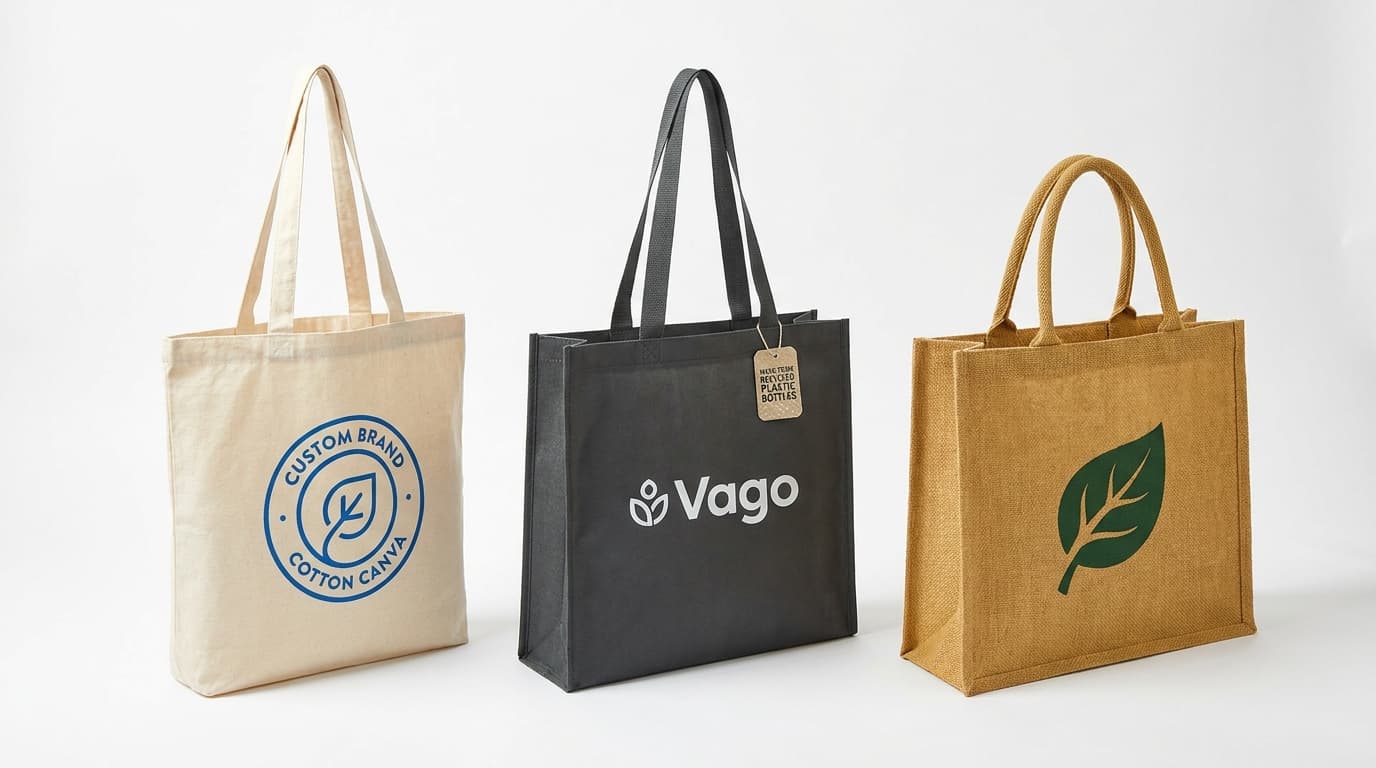
Tote bags are one of the most effective promotional products you can invest in. They are used repeatedly, carried in public, and kept for years — giving your brand thousands of impressions from a single item. But when you start shopping for custom printed tote bags, the material choice can be surprisingly confusing.
Cotton, recycled, jute — each has genuine strengths and real trade-offs. The right choice depends on your budget, your brand values, and how you plan to use them. This guide breaks down all three materials honestly so you can make the best decision for your next promotional campaign.
Why Tote Bags Are Still One of the Best Promotional Products
Before comparing materials, it is worth understanding why tote bags consistently rank among the top promotional items in the UK:
- High retention rate — the British Promotional Merchandise Association (BPMA) reports that promotional bags are kept for an average of 14 months, longer than almost any other category
- Daily use — shopping, commuting, gym, work lunches — tote bags fit naturally into everyday routines
- Large print area — a flat tote bag offers roughly 35cm × 40cm of branding space, far more than a pen or a mug
- Walking advertisements — every trip to the supermarket or farmers market puts your logo in front of hundreds of people
- Plastic bag charges — since the UK introduced mandatory carrier bag charges, reusable bags have become essential, not optional
The question is not whether to order tote bags. It is which material to choose.
Cotton Tote Bags: The Classic Choice
What Are Cotton Tote Bags?
Cotton tote bags are made from natural cotton fibres, typically in weights ranging from 140gsm (lightweight) to 280gsm (heavyweight canvas). They are the most popular choice for promotional tote bags in the UK and have been for decades.
Standard cotton tote bags use conventionally grown cotton, while organic cotton options use cotton grown without synthetic pesticides or fertilisers. Both produce a soft, natural-looking bag with excellent print quality.
Advantages of Cotton Tote Bags
- Excellent print quality — cotton takes screen printing, digital transfer, and embroidery beautifully, producing crisp, vibrant colours
- Soft and comfortable — pleasant to carry over the shoulder or in the hand
- Wide range of styles — available in shoppers, drawstrings, backpacks, pouches, and more
- Multiple weight options — from ultra-light giveaway bags to premium heavyweight canvas
- Affordable at volume — cotton bags benefit from strong economies of scale
- Naturally biodegradable — cotton breaks down at end of life, unlike synthetic alternatives
- Washable — machine washable, which extends usable life significantly
Disadvantages of Cotton Tote Bags
- Water-intensive crop — conventional cotton farming uses significant water resources; organic cotton uses less but still requires substantial irrigation
- Not waterproof — cotton absorbs water, which can be a problem in British weather
- Can stain — light-coloured cotton shows dirt and marks over time
- Environmental debate — studies suggest a cotton tote needs to be reused 130+ times to offset its production footprint compared to a single-use plastic bag (though most promotional tote bags easily achieve this)
Best For
Cotton tote bags are ideal for general promotional giveaways, conference bags, retail packaging, and brand merchandise. If you need a reliable, crowd-pleasing option that prints well and feels good, cotton is almost always a safe choice.
Browse our custom cotton tote bag range for options and pricing.
Cotton Tote Bag Pricing Guide
| Type | Weight | Price Range (per unit, 250+) |
|---|---|---|
| Lightweight shopper | 140gsm | £0.80 – £1.50 |
| Standard tote | 180gsm | £1.20 – £2.50 |
| Heavyweight canvas | 280gsm | £2.50 – £5.00 |
| Organic cotton tote | 180gsm | £1.80 – £3.50 |
Prices include single-colour print. Multi-colour and full-colour options available at additional cost.
Recycled Tote Bags: The Sustainability Statement
What Are Recycled Tote Bags?
Recycled tote bags are made from post-consumer waste — most commonly recycled PET plastic bottles (rPET), recycled cotton, or a blend of recycled materials. The most popular variety uses recycled plastic bottles that are shredded, melted, and spun into polyester yarn, which is then woven into bag fabric.
A typical recycled PET tote bag uses the equivalent of 3-5 plastic bottles that would otherwise end up in landfill or the ocean.
Advantages of Recycled Tote Bags
- Strong sustainability story — using waste materials gives your brand a genuine environmental message
- Conversation starter — "this bag is made from recycled bottles" is a talking point that reinforces brand values
- Lightweight and durable — recycled polyester is surprisingly tough and resistant to tearing
- Water-resistant — unlike cotton, rPET bags handle rain and spills better
- Growing material quality — manufacturing has improved significantly; modern recycled bags look and feel premium
- Reduces landfill waste — diverts plastic from waste streams
- Good colour options — available in a wide range of colours, including prints on the fabric itself
Disadvantages of Recycled Tote Bags
- Different texture — recycled polyester feels different from natural fibres; some people prefer the feel of cotton or jute
- Print limitations — some recycled materials do not take certain print methods as crisply as cotton
- Microplastic concerns — recycled polyester can shed microplastics during washing, though this is less of an issue with bags than clothing
- Slightly higher base cost — recycled materials typically cost 10-20% more than standard cotton at equivalent quantities
- Not biodegradable — while made from waste, the bag itself is still plastic and will not biodegrade
Best For
Recycled tote bags are perfect for brands with strong environmental values, corporate social responsibility campaigns, eco-focused events, and organisations that want to demonstrate sustainability commitment. They work particularly well for tech companies, environmental charities, universities, and forward-thinking corporates.
Explore our eco-friendly promotional bags including recycled options.
Recycled Tote Bag Pricing Guide
| Type | Material | Price Range (per unit, 250+) |
|---|---|---|
| rPET shopper bag | Recycled PET | £1.20 – £2.50 |
| Recycled cotton tote | Recycled cotton | £2.00 – £4.00 |
| Recycled blend tote | Mixed recycled | £1.50 – £3.00 |
| Premium rPET with zip | Recycled PET | £3.00 – £6.00 |
Prices include single-colour print. Full-colour sublimation printing available on rPET bags.
Jute Tote Bags: The Premium Natural Option
What Are Jute Tote Bags?
Jute tote bags are made from jute plant fibres — a natural, renewable crop primarily grown in Bangladesh and India. Jute is sometimes called the "golden fibre" because of its natural colour and sheen. It produces a distinctively textured, sturdy bag that looks and feels premium.
Jute is one of the most sustainable natural fibres available. The jute plant grows quickly, requires minimal pesticides, absorbs significant CO2 during growth, and enriches the soil it grows in.
Advantages of Jute Tote Bags
- Premium look and feel — jute has a distinctive natural texture that immediately communicates quality
- Genuinely eco-friendly — jute is one of the most sustainable commercial fibres on the planet
- Extremely strong — jute bags are exceptionally durable and can carry heavy loads
- Naturally biodegradable — fully compostable at end of life
- Low carbon footprint — jute cultivation actually absorbs more CO2 than it produces
- Structured shape — jute bags hold their shape well, making them practical for shopping
- High perceived value — recipients tend to perceive jute bags as more valuable than cotton alternatives
Disadvantages of Jute Tote Bags
- Higher cost — jute bags are typically the most expensive of the three materials
- Heavier — the natural fibre weight means jute bags are noticeably heavier than cotton or recycled alternatives
- Rougher texture — some people find jute too coarse, especially for shoulder straps
- Limited print methods — jute's textured surface works best with screen printing; fine detail can be lost
- Not machine washable — jute bags should be spot-cleaned only, which limits longevity in messy environments
- Fewer style options — jute is typically available in shopper and tote formats; fewer variations than cotton
- Can smell — new jute bags sometimes have a distinctive earthy smell that fades over time
Best For
Jute tote bags are ideal for premium brand positioning, farmers markets, artisan food brands, wine merchants, corporate gift bags, and any context where natural, rustic aesthetics align with your brand. They make excellent retail bags and are popular with organic and wellness brands.
View our branded jute bag collection for styles and pricing.
Jute Tote Bag Pricing Guide
| Type | Style | Price Range (per unit, 250+) |
|---|---|---|
| Standard jute shopper | Open top | £2.00 – £3.50 |
| Laminated jute bag | Wipeable lining | £2.50 – £4.50 |
| Jute wine bag | Single/double bottle | £1.80 – £3.00 |
| Large jute shopping bag | Reinforced handles | £3.50 – £6.00 |
Prices include single-colour print on one side. Second side print available at additional cost.
Head-to-Head Comparison: Cotton vs Recycled vs Jute
Here is how the three materials compare across the factors that matter most when choosing promotional tote bags:
| Factor | Cotton | Recycled (rPET) | Jute |
|---|---|---|---|
| Cost (250+ units) | £0.80 – £5.00 | £1.20 – £6.00 | £2.00 – £6.00 |
| Print quality | ⭐⭐⭐⭐⭐ | ⭐⭐⭐⭐ | ⭐⭐⭐ |
| Durability | ⭐⭐⭐⭐ | ⭐⭐⭐⭐ | ⭐⭐⭐⭐⭐ |
| Eco credentials | ⭐⭐⭐ | ⭐⭐⭐⭐ | ⭐⭐⭐⭐⭐ |
| Perceived value | ⭐⭐⭐ | ⭐⭐⭐⭐ | ⭐⭐⭐⭐⭐ |
| Weight | Light – medium | Light | Medium – heavy |
| Water resistance | Poor | Good | Poor |
| Washability | Machine washable | Machine washable | Spot clean only |
| Biodegradable | Yes | No | Yes |
| Style variety | Extensive | Good | Limited |
Which Material Should You Choose? A Decision Guide
Choose Cotton If...
- You need the lowest cost per unit for large-quantity giveaways
- Your design uses multiple colours or fine detail that needs crisp reproduction
- You want maximum style variety — drawstrings, shoppers, totes, backpacks
- Your audience values comfort and softness
- You need bags for conferences, exhibitions, or trade shows where volume matters
Choose Recycled If...
- Your brand has strong environmental or CSR commitments
- You want a sustainability talking point built into the product
- Recipients will use bags in wet or outdoor conditions
- You are targeting younger demographics who prioritise sustainability
- You need bags for tech events, green conferences, or university freshers
Choose Jute If...
- You want a premium, high-perceived-value promotional item
- Your brand aligns with natural, organic, or artisan positioning
- Recipients will use bags for heavy shopping loads
- You are creating retail packaging or gift bags
- You want something that stands out from standard cotton totes
Can You Mix Materials? Blended Bags
Yes — and it is increasingly popular. Many promotional bag manufacturers now offer blended options:
- Cotton-jute blends — combine the print quality of cotton with the structured feel of jute
- Recycled cotton — made from pre- or post-consumer cotton waste, offering sustainability without switching to synthetics
- Jute with cotton handles — gives the jute body with comfortable cotton straps
- Canvas with recycled lining — premium exterior with eco-friendly interior
Blended bags often hit a sweet spot between cost, quality, and sustainability. Ask us about blended material options for your project.
Print Methods for Each Material
The bag material affects which printing methods work best:
Cotton
- Screen printing — the most popular and cost-effective option; up to 6 colours
- Digital transfer — full-colour photographic prints; ideal for complex designs
- Embroidery — premium, textured finish; works beautifully on heavier cotton canvas
- DTG (direct to garment) — full-colour printing directly onto the fabric; perfect for short runs
Recycled (rPET)
- Sublimation printing — all-over full-colour prints; the best option for rPET
- Screen printing — works on most recycled fabrics with the right ink
- Heat transfer — effective for logos and simple designs
Jute
- Screen printing — the standard method; bold designs with limited colours work best
- Heat transfer — useful for photographic images on jute
- Sewn-on patch — a cotton or leather patch printed or embroidered then stitched onto jute; premium finish
Sustainability: How Do They Really Compare?
Sustainability claims in promotional products can be murky. Here is an honest comparison:
Carbon Footprint
Jute wins. Jute cultivation absorbs CO2 and enriches soil. Cotton farming is carbon-intensive, particularly with irrigation and fertiliser use. Recycled PET reduces emissions compared to virgin plastic but still involves industrial processing.
Water Usage
Jute and recycled PET tie. Jute requires far less water than cotton. Recycled PET uses minimal water in production. Conventional cotton is the most water-intensive — a single cotton tote bag can require 2,700 litres of water to produce.
End of Life
Cotton and jute tie. Both are naturally biodegradable and compostable. Recycled PET is recyclable again in theory, but in practice most bags end up in general waste where they persist for centuries.
Social Impact
Jute leads. The jute industry supports millions of smallholder farmers in Bangladesh and India, providing essential income in some of the world's poorest regions. Cotton farming has well-documented labour concerns in some supply chains. Recycled PET supports waste collection and processing industries.
The Bottom Line on Sustainability
If sustainability is your primary concern, jute is the strongest option overall. Recycled PET wins on the waste-reduction narrative. Organic cotton is a solid middle ground. Standard cotton is the weakest environmental choice — but still vastly better than single-use plastic bags.
Real-World Use Cases
Trade Show Giveaway (500+ bags)
Best choice: Cotton (lightweight, 140gsm)
Volume, cost, and print quality matter most. A lightweight cotton shopper with a bold one-colour logo is the trade show standard for good reason. Recipients stuff them with brochures and samples, and keep using them for shopping afterwards.
Corporate Welcome Pack
Best choice: Recycled PET or organic cotton
New employees and clients appreciate the sustainability angle. A recycled PET tote with the company logo feels modern and thoughtful. Organic cotton works equally well if you prefer a natural feel.
Retail Shopping Bag
Best choice: Jute or heavyweight cotton canvas
When the bag is the product experience — wrapping a purchase in a branded jute bag — the premium feel justifies the higher cost. Wine merchants, boutiques, and artisan food shops particularly benefit from jute.
Charity Fundraiser
Best choice: Recycled PET
The "made from recycled bottles" story aligns perfectly with charitable and community events. It gives donors something useful while reinforcing the organisation's environmental values.
University Freshers Week
Best choice: Cotton (standard weight)
Students need something practical and washable. A standard cotton tote in a bold colour with clear branding becomes part of daily student life — lectures, library, shopping. Volume pricing makes cotton the smart choice for student quantities.
Ordering Tips for Custom Printed Tote Bags
1. Order More Than You Think You Need
Tote bags are the kind of promotional product people actively ask for. Order 10-20% more than your initial estimate. The per-unit cost drops significantly at higher volumes, and leftover bags are never wasted — they will always find a use.
2. Keep Your Design Simple
The best tote bag designs use one or two colours with a clear, bold logo. Complex multi-colour designs cost more to print and often look worse at a distance. Remember: your bag will be seen from across a car park, not examined under a microscope.
3. Choose the Right Handle Length
Short handles (30cm) suit hand-carry bags. Long handles (65cm+) allow the bag to be slung over a shoulder. Shoulder-length handles are more practical for daily use and generally preferred.
4. Consider a Gusset
A flat tote bag with no gusset is the cheapest option but carries less and falls flat when empty. A gusseted base (even a small 8cm gusset) dramatically increases carrying capacity and helps the bag stand upright.
5. Request a Physical Sample
Before committing to a large order, ask for a printed sample. Colours can look different on fabric than on screen, and the weight and texture of the bag material matters more than any specification sheet can convey.
Frequently Asked Questions
What is the minimum order quantity for custom printed tote bags?
Most suppliers offer minimum orders from 50 to 100 units, though the best pricing starts at 250+. For very small runs (under 50), digital transfer printing on cotton bags is usually the most cost-effective option. Contact us for a quote on any quantity.
How long does it take to get custom tote bags printed?
Standard lead times are 2-3 weeks from artwork approval. Express services can reduce this to 5-7 working days for simple screen-printed cotton bags. Recycled and jute bags may take longer if not held in UK stock.
Can I get a full-colour photograph printed on a tote bag?
Yes. Digital transfer printing on cotton bags and sublimation printing on rPET bags both support full-colour photographic images. Jute is less suited to photographic printing due to its textured surface, though heat transfer patches can achieve good results.
Are recycled tote bags as strong as regular bags?
Yes — and often stronger. Recycled PET polyester is a durable synthetic material. Most recycled tote bags comfortably handle 10-15kg, making them suitable for weekly shopping. The material is also more resistant to tearing than lightweight cotton.
Which tote bag material is best for the environment?
No single material is perfect. Jute has the lowest overall environmental impact considering cultivation, processing, and end of life. Recycled PET wins on the waste-reduction angle. Organic cotton is a solid natural option. The most important factor is how many times the bag gets reused — any tote bag used regularly is far better than single-use alternatives.
Can I mix different tote bag materials in one order?
Absolutely. Many businesses order cotton bags for high-volume giveaways and jute bags for premium clients or VIP gifts. This lets you tailor the perceived value to the audience without being locked into a single material. Ask about our mixed material options.
Do you offer eco-certifications for promotional tote bags?
Yes. We can source bags with GOTS (Global Organic Textile Standard) certification for organic cotton, GRS (Global Recycled Standard) for recycled materials, and Fairtrade certified jute. Certifications are noted on individual product pages.
What is the best print colour for a tote bag?
On natural-coloured cotton and jute bags, dark colours (black, navy, dark green) provide the highest contrast and visibility. On coloured bags, white ink stands out best. For maximum brand impact at a distance, choose a single bold colour with a simple logo.
Why Choose PMP for Your Custom Printed Tote Bags?
At Positive Media Promotions, we have supplied branded tote bags to businesses across the UK for over 17 years. Here is what we bring to every order:
- All three materials in stock — cotton, recycled, and jute bags available for fast turnaround
- No minimum order surprises — transparent pricing from 50 units upwards
- Free UK delivery — on all tote bag orders, no matter the size
- Free artwork setup — our design team will prepare your logo for print at no extra cost
- Expert advice — not sure which material suits your project? We will help you choose
- Fast turnaround — standard 2-3 week delivery with express options available
- Eco options across the range — organic, recycled, and certified sustainable bags available
We are not just a supplier — we are a partner who wants your branded tote bags to make an impact.
Ready to order custom printed tote bags? Get in touch for a free quote, or browse our full branded bags collection to find the perfect option for your next campaign. Whether it is cotton, recycled, or jute — we will help you make the right choice.
Related Articles

Need promotional products?
Get a free quote from our team. We'll help you find the perfect products for your brand.
Get a Free Quote